
Paper projects
How to make simple paper pockets and tags for a junk journal
Pockets and tags give loose notes a place to live. You can make both from a printable paper or a small scrap, without a cutting machine or a special template. Start with a paper mock-up and size the pocket to the item you want it to hold.

Choose paper and plan the fit
Use a paper that folds cleanly and is strong enough for the contents. If you print it yourself, check your printer’s supported paper weights rather than feeding thick card through by guesswork. Have scissors, a ruler, a pencil and paper-safe adhesive ready.
Decide what the pocket will hold before you cut. The example below uses a 7 × 10 cm card, but you can scale the pieces for your own journal. Measure the available page space and keep the pocket clear of the gutter.
Make a simple three-sided pocket
- Cut a rectangle approximately 9 × 8 cm for a 7 cm-wide card. Test the pieces together before gluing; the extra width leaves room for side seams and movement.
- Place the pocket on the journal page and mark its position lightly. Leave enough room above it to lift the card out.
- Apply a narrow line of adhesive along the left, right and bottom edges. Keep the top edge and the center free of glue.
- Press the edges into position and let the adhesive dry according to its instructions. Slide the card in gently and check that it does not catch on a seam.
The card will extend above this shallow pocket, making it easy to grasp. For a deeper pocket, increase the height while leaving enough of the card visible. A narrow printed strip can decorate the front, but avoid gluing across the opening.
Try a corner tuck instead
Cut a square of paper and divide it diagonally into two triangles. Place a triangle at the bottom corner of the page, with its right-angle edges aligned to the page edges. Glue only those two short edges and leave the diagonal edge open.
Let the adhesive dry, then tuck a lightweight card behind the triangle. A corner tuck holds an item loosely rather than enclosing it, so it is better for a note than a tiny loose keepsake. Test it by turning the page slowly before adding anything valuable.
Make a matching journaling tag
- Cut a rectangle small enough to move freely inside your pocket. For the example pocket, begin with the 7 × 10 cm card and adjust after testing.
- Trim the upper corners if you want a tag shape. Mark both sides first so the cuts are similar.
- Keep one side plain for writing, or attach a plain writing panel to a patterned tag. Let it dry flat.
- Add a small paper tab at the top. A punched hole and short thread are optional; reinforce thin paper and check that extra bulk does not stop the journal closing.
Write a date, a memory or a question on the tag before tucking it away. If the pattern is bold, use a plain label so the words remain readable. Repeat a small offcut elsewhere on the spread to make the pieces feel connected.
Check movement, bulk and the licence
Open and close the journal after the adhesive is dry. The pocket should flex with the page rather than pull it tight, and the tag should lift out without bending. For a thick insert, make a larger pocket or use a folded construction with more depth; a flat pocket is not designed for bulky objects.
If you use purchased printable artwork, keep the digital files private and read the individual listing’s terms before selling finished items. A personal craft project and permission to redistribute a printable file are different things.
Papers to explore
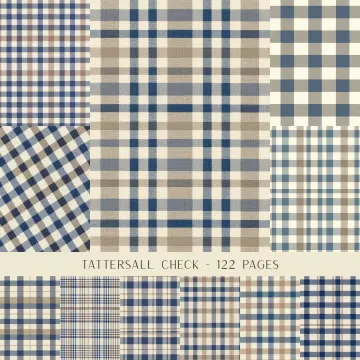
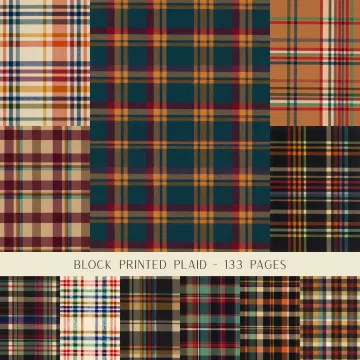
These are digital product previews. Open a design for its details, then visit Etsy for purchase and download information.

Prepared for Junk Journal Diary. Project suggestions are starting points, not tested product specifications. Follow your printer and adhesive instructions.
← Back to journal & guides